- Facebook ads work best for dental services people plan rather than search for urgently: whitening, Invisalign, implants, new-patient exams and family dentistry.
- Meta's ad rules ban ads that imply someone has a health condition, so copy should talk about the offer and outcome, not the viewer's teeth.
- Since early 2025, Meta limits how many health-related advertisers can optimize for lower-funnel events, so check your account's status in Events Manager.
- Never send patient health information through the Meta Pixel; keep tracking to non-sensitive events and get compliance advice.
- Most of the results come from what happens after the lead: a reply within minutes and an easy way to book.
The short answer: yes, Facebook ads can bring a steady flow of new dental patients, if you promote the right services, follow Meta's health ad rules, track carefully, and respond to every lead fast. The rest of this guide covers each of those, with a setup you can copy.
Do Facebook ads work for dental practices?
They work well for treatments people decide on over days or weeks, and less well for emergencies. Someone with a toothache at 9 pm searches Google; that's where Google Ads shine. Someone who has thought about straightening their teeth for a year is far more likely to act on a well-timed Instagram ad.
Good fits for Facebook and Instagram:
- New-patient exams and cleanings for families moving into the area
- Teeth whitening and cosmetic consultations
- Clear aligners (Invisalign and similar)
- Dental implants and full-arch consultations, where each patient is worth a lot
- Sedation or anxiety-friendly dentistry for people who have avoided the dentist
Which offers work best?
A clear, specific reason to book now beats a generic "we're accepting new patients." The offer has to be valuable enough to act on, but not so cheap that it attracts people who never intend to continue care.
| Offer type | Example (adapt to your practice) |
|---|---|
| New-patient package | Exam, X-rays and cleaning at a set new-patient price, for patients without insurance |
| Free consultation | Free Invisalign or implant consultation with a 3D scan |
| Value add | Complimentary whitening tray with a new-patient visit |
| Access and comfort | Evening and Saturday appointments, sedation options, "no lecture" first visits |
Check your state dental board's advertising rules and any insurance contracts before advertising prices or free services. Some states have specific requirements for advertised fees and "free" offers.
What are Meta's rules for dental ads?
Meta's advertising standards don't allow ads that assert or imply personal attributes, including someone's physical health. In practice that means writing about the offer and the result, not about the viewer.
- Avoid: "Embarrassed by your crooked teeth?", "Do you have gum disease?", "Missing teeth?"
- Use instead: "Straighter teeth in as little as 6 months", "Free implant consultation in [city]", "New patients welcome this month"
Cosmetic ads also must not make people feel bad about how they look, and some cosmetic and health ads must be limited to adults (18+). Before-and-after images are restricted for some categories, so review Meta's health and wellness policy before using them, and get written patient consent for any patient photos.
Since early 2025, Meta has also classified many health-related advertisers in a way that limits optimizing campaigns for certain lower-funnel events, such as leads or bookings sent from your website. How strict it is depends on your account. Check how your data source is classified in Events Manager, and plan campaigns that can still work with on-platform lead forms or upper-funnel events.
How do you track results without risking patient privacy?
Track that a lead happened, not anything about the person's health. Dental practices are generally covered by HIPAA, and the federal health department has warned that tracking technologies like pixels can expose protected health information. Parts of that guidance were struck down by a federal court in 2024, but the risk hasn't gone away, and patient portals and appointment pages are especially sensitive.
- Don't place the Meta Pixel on patient portals, intake forms or pages that reveal a specific treatment someone booked
- Send only non-sensitive events (for example, "lead form opened") and never names, conditions or treatment details
- Prefer Meta's on-platform lead forms, then move the conversation to your secure systems
- Track real outcomes (booked, showed, started treatment) in your CRM or practice software, not in Meta
- Ask your compliance advisor to review the setup once
How should the campaign be set up?
Keep it simple so Meta's system has enough data to learn. A setup I'd start most practices with:
- One campaign, one offer. For example, a new-patient package or an Invisalign consultation.
- Location targeting around the practice, sized to where patients actually travel from (often 5 to 15 miles), with age set to 18+.
- Broad audience. Let the creative do the targeting; narrow interest stacks usually raise costs.
- Three to five ads: a video from the dentist, office and team photos, a patient-story style ad (with consent), and a simple offer graphic.
- Lead form with two or three qualifying questions, such as preferred appointment time and whether they have dental insurance. Use the "higher intent" form type, which adds a review step and filters out accidental taps.
- Instant follow-up connected to the form (next section).
The full approach for practices, including Google Ads and reminders, is on the dental practices page. For campaigns that get clicks but no calls, see why Facebook ads get clicks but no calls.
How much should a practice spend?
Work backward from what a new patient is worth. Here is a worked example with made-up numbers to show the math:
| Example (hypothetical) | Number |
|---|---|
| Monthly ad budget | $1,500 |
| Cost per lead | $40 |
| Leads | 37 |
| Leads who book (40%) | 15 |
| Patients who show (75%) | 11 |
| Ad cost per new patient | about $136 |
If an average new patient is worth several hundred dollars in the first year, that's a healthy return. Implant and aligner campaigns usually cost more per lead but are worth much more per patient. Your real costs will differ, so start with a budget you can keep running for two to three months. The Facebook ads cost guide explains how pricing works.
Why does follow-up decide the results?
Because dental leads cool off fast. Someone who fills in a form during a lunch break may have forgotten your practice by evening. Practices that reply within minutes book far more of the same leads than practices that call back the next day.
What to have in place before spending a dollar on ads:
- An instant text and email reply that thanks them and offers real appointment times
- An AI assistant that answers questions and books into your schedule, even after hours
- A front-desk alert for every new lead, with a call within the hour during office hours
- Reminders before the appointment to protect your show rate (see how to reduce dental no-shows)
FAQ
How much do Facebook ads cost for dentists?
Costs vary by market, offer and season, so there is no fixed price. Many practices test with a monthly budget in the low thousands of dollars and judge it by cost per booked new patient rather than cost per lead. High-value services like implants usually cost more per lead but are worth more per patient.
Can dentists use before-and-after photos in Facebook ads?
Meta restricts before-and-after imagery for some health and cosmetic categories and doesn't allow ads that make people feel negatively about their appearance. Check Meta's current health and wellness policy for your specific treatment, and always get written patient consent for any photos you use.
Is the Meta Pixel HIPAA compliant for dental practices?
The pixel itself isn't designed for protected health information, and Meta doesn't sign HIPAA business associate agreements for it. Keep it off patient portals and sensitive pages, send only non-sensitive events, and have a compliance advisor review your tracking setup.
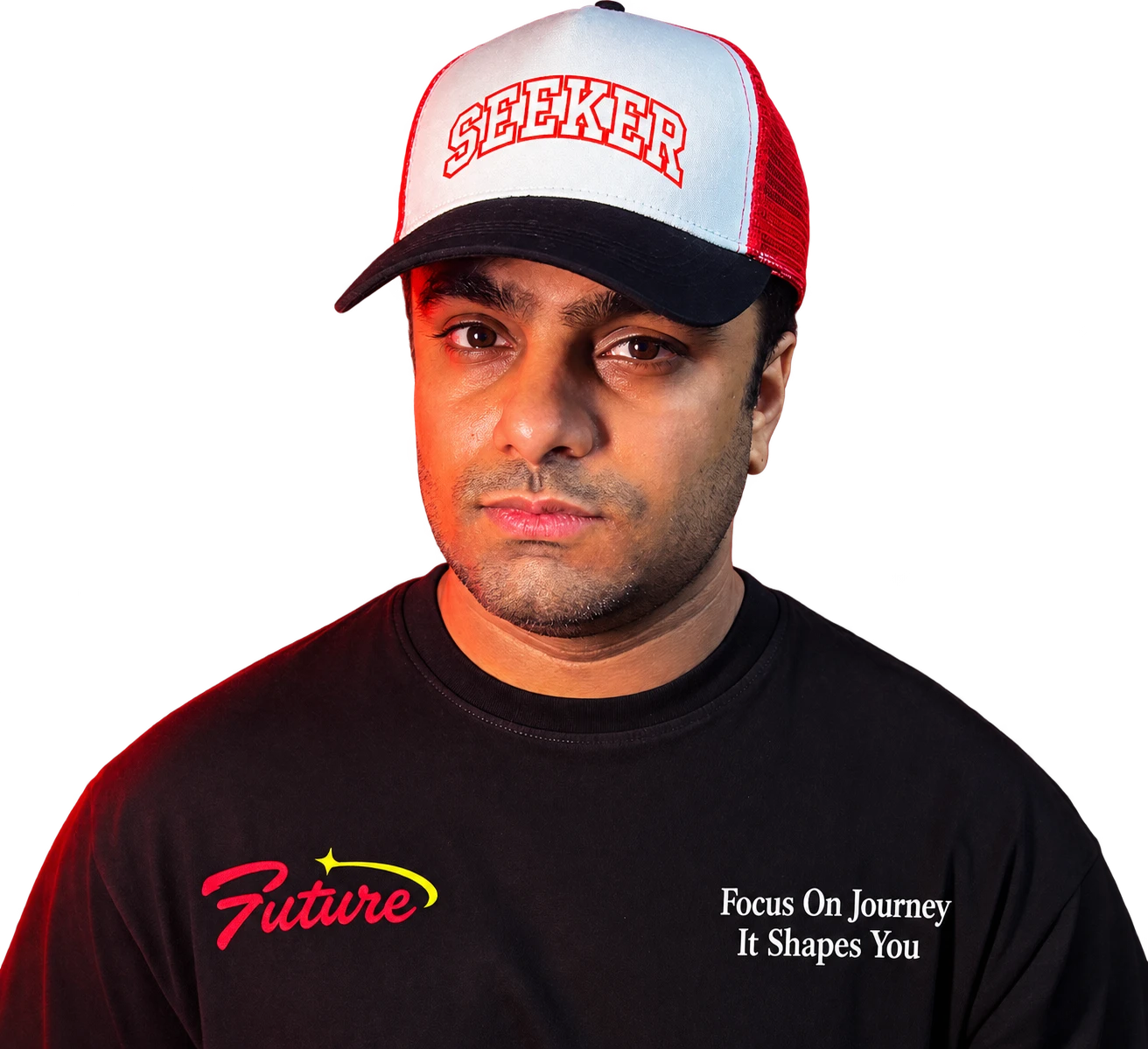
Aftab Ahmed builds AI automation, lead follow-up systems and Google and Facebook ad campaigns for US small businesses, after 8+ years in design and marketing. He writes about what actually turns ad clicks and calls into booked appointments.
Want Facebook ads that fill your schedule?
Book a free 30-minute call and I'll review your offer, targeting and follow-up, and show you what a compliant dental campaign could look like for your practice.
Book a free call →